We are building autonomous agentis for energy systems: a research-driven venture turning multimodal, modular LLM agents into trustworthy copilots for forecasting, optimisation, and real-time control. Our research spans energy system stability, transportation electrification, and human-in-the-loop autonomy.
Lecturer (Assistant Professor) in AI for Engineering
The group’s research program bridges frontier AI and deployable engineering. We prototype agentic control stacks, validate them on real-world energy assets, and open-source methods that accelerate the transition to net-zero operations.
Design modular agent architectures for dispatch, scheduling, and anomaly response in batteries, EV fleets, and microgrids.
Fuse model-based optimisation with LLM reasoning to guarantee stability, interpretability, and controllable risk boundaries.
Build operator-first UX with transparent explanations, audit trails, and collaborative overrides for mission-critical decisions.
Release benchmarks, reference agents, and evaluation pipelines that let academia and industry compare approaches fairly.
The lab integrates AI agents with power engineering to unlock resilient and low-carbon operations.
Agent-led charging coordination for EV depots and airport ground fleets; robust to renewable volatility and grid constraints.
Fast contingency response using multi-agent coordination, uncertainty-aware scheduling, and adaptive safety envelopes.
Multi-modal perception, domain toolchains, and evaluator agents that close the loop between simulation and field data.
We pair academic rigor with venture execution. Interested in collaborating or joining? Reach out below.
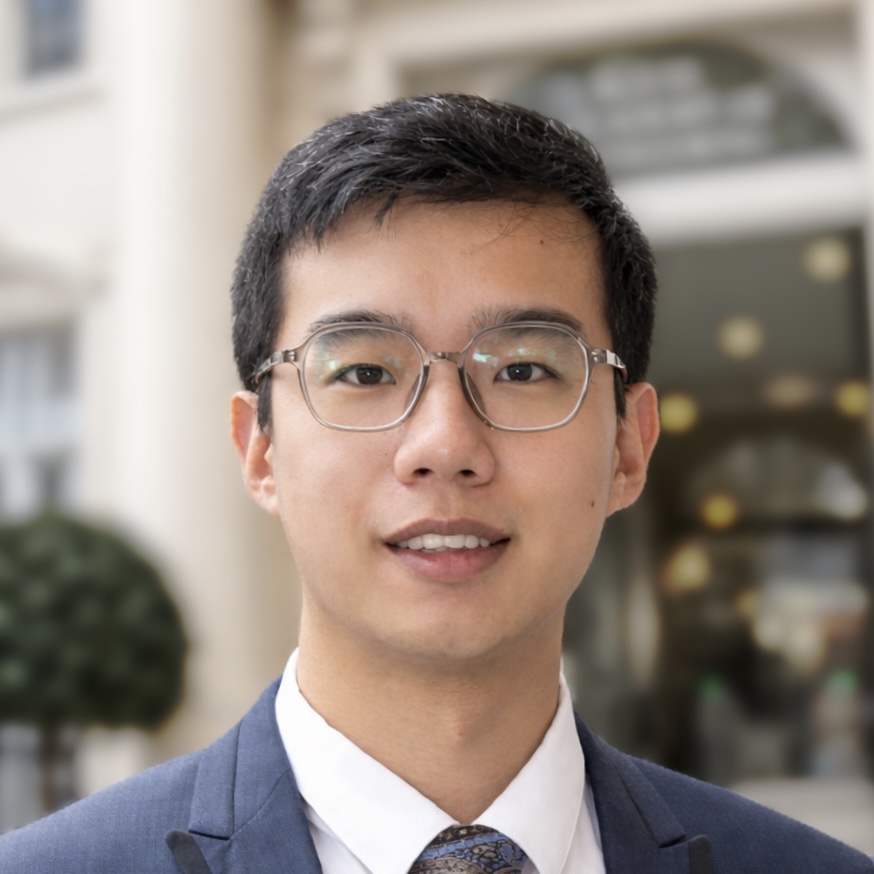
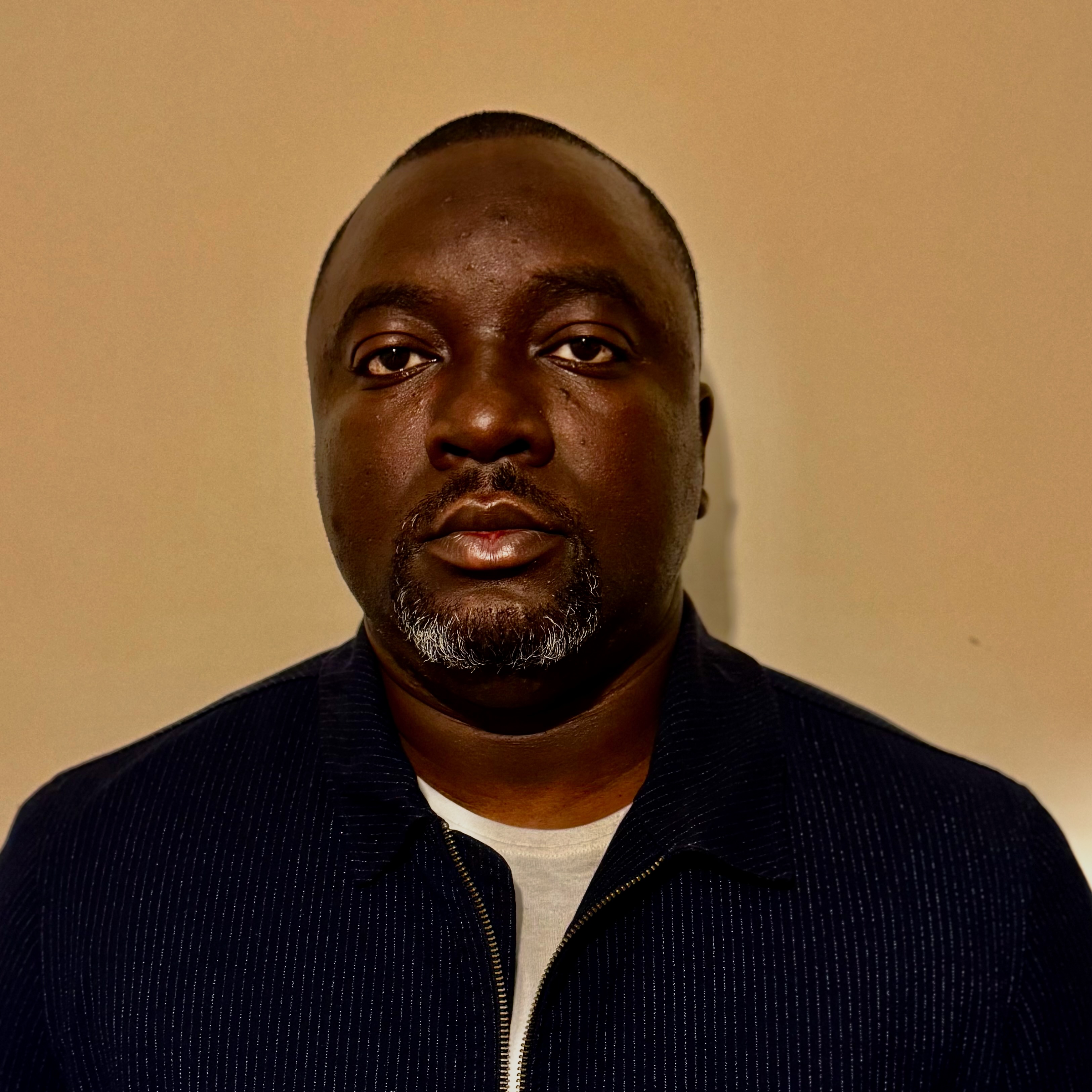
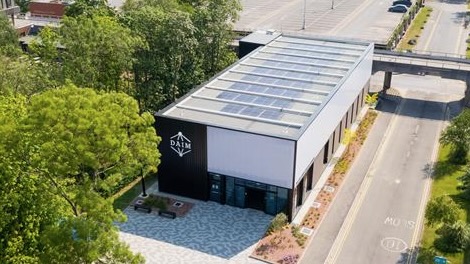
Lecturer in AI for Engineering (University of Hull, DAIM); Founder of Energentic AI; seconded researcher at University of Birmingham.
Personal site →
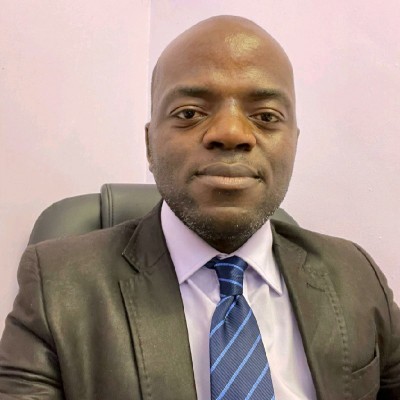
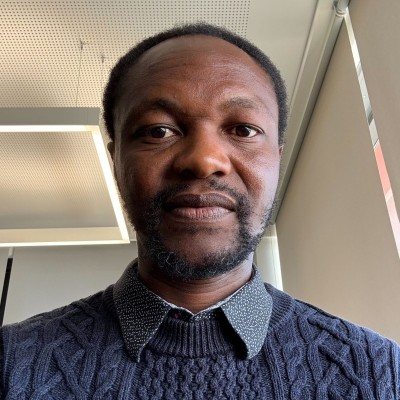
Lecturer (University of Hull, DAIM); expert in responsible AI, IoT, and Industry 4.0.
Personal site →
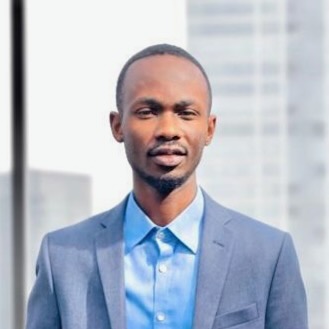
AI agent researcher at Coral Protocol; PhD candidate at Brunel University of London focusing on multi-agent LLMs.
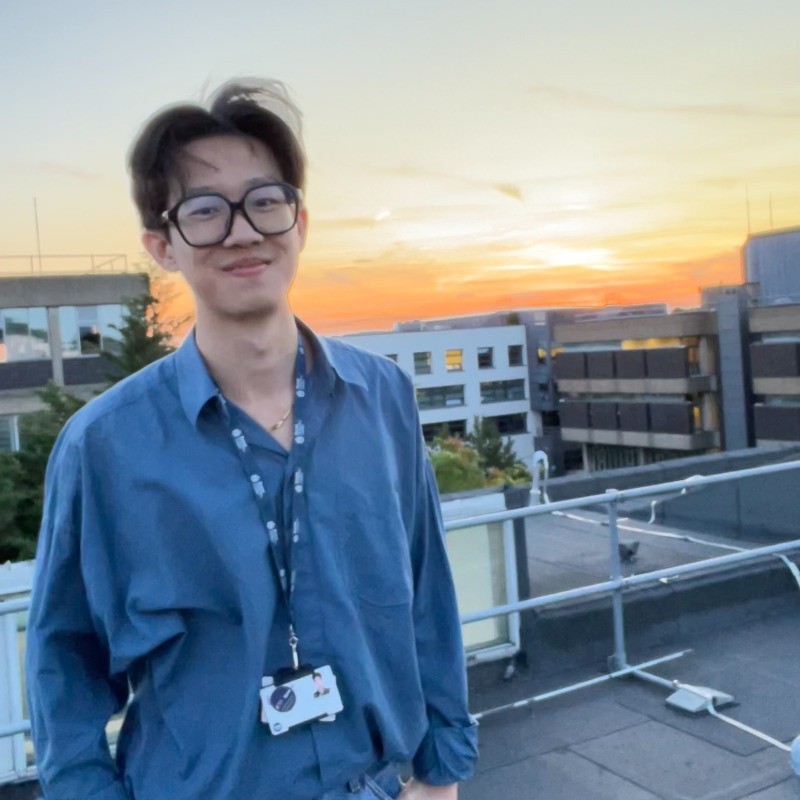
PhD researcher in Data Science (University of Hull), designing and applying AI methods to real-world energy decisions through rigorous workflows.
PhD candidate in Data Science (University of Hull). His research advances governance-embedded multi-agent systems for hybrid renewable microgrids.
MSc by Research student in Data Science (University of Hull). Bridging engineering and analytics to enhance energy performance with data-driven methods.
Researcher at University of Hull focusing on renewable energy and intelligent systems, and PGR Representative at the School of Engineering.
Open to PhD researchers, visiting scholars, and industry pilots in energy systems, optimisation, and agentic AI.
Updates from the lab and venture side.
The Energentic team has been recommended for the spin-out route and is moving forward to the Exploit stage, running Jan-Mar 2026 with up to £15,000 funding support.
Anemoi presented at the LAW workshop; SimuGen featured at the SEA workshop—showcasing governance-aware agents and multimodal simulation pipelines.
Dr Zekun Guo leads the team progressing from ICURe Discover to ICURe Explore, securing £2,500 (Discover) and up to £40,000 to explore the market.
Funding to prototype hydrogen infrastructure planning agents for airports, co-led with University of Birmingham and University of Glasgow.
Funding to support a secondment at the University of Birmingham to research modelling hydrogen and electric demand at airports for UK decarbonised aviation.
Dr Zekun Guo leading the first cohort of the MSc Artificial Intelligence for Engineering variant programme and the AI-driven Optimisation and Control module. Programme link
Notes from our public writing and invited sessions.
Reflections on a HI-ACT-funded secondment at Birmingham Energy Institute—building hydrogen aviation models and deepening collaboration networks.
Read the blog →Multi-modal and multi-agent frameworks for simulation code generation and agent-to-agent coordination; releasing open benchmarks.
SimuGen · AnemoiLLM-enhanced rolling-horizon decisions for battery systems, presented at SuperAIRE ECR Workshop (Sheffield, 2025).
View slides →Bridging human expertise and AI autonomy in multi-agent systems; co-authored with the CAMEL-AI community.
Read the piece →Research that underpins the group’s roadmap.
Integrates LLM agents with scenario-based SUC to improve grid efficiency and resilience under wind uncertainty.
Multi-modal agent pipeline producing accurate, interpretable Simulink code by combining visual diagrams with expert priors.
Agent-to-agent MCP server enabling coordinated, real-time collaboration; tops GAIA benchmark with GPT-4.1-mini as planner.
We welcome joint projects, student researchers, and industry pilots. Share your use case and the asset you want to control.
Fastest way to start a collaboration proposal or student project idea.